
Concerned About How Social Media Is Affecting Your Child?
Families across the country are raising concerns about the impact excessive social media use may have on youth mental health, sleep, behavior, and emotional wellbeing.
Common Warning Signs
Parents, counselors, and educators are increasingly recognizing patterns linked to excessive social media exposure among adolescents.
Anxiety & Depression
Persistent worry, sadness, or loss of interest in previously enjoyed activities.
Sleep Disruption
Difficulty falling asleep, staying asleep, or excessive nighttime device use.
Social Withdrawal
Avoiding face-to-face interactions, losing interest in offline friendships.
Compulsive Scrolling
Inability to stop checking devices, losing track of time online repeatedly.
Body Image Issues
Negative self-comparison, filtered reality expectations, self-esteem struggles.
Eating Concerns
Disordered eating patterns linked to online content and comparison culture.
Mood Changes
Increased irritability, emotional volatility, or unexplained anger outbursts.
What Research Shows
Social media has become a daily reality for most families, and research continues to raise important questions about youth mental health and digital wellbeing.
Teens Use Social Media
Most teenagers report regularly using social media platforms.
Near-Constant Usage
Many teens report checking social media almost constantly.
Heavy Daily Exposure
Higher daily social media use has been associated with elevated emotional and mental health concerns.
Body Image Impact
Many adolescents report that social media negatively affects body image and self-esteem.
Research findings vary across studies. Information provided for educational awareness purposes.
About Families Advocating for Healthy Technology
Families Advocating for Healthy Technology exists to help parents better understand the growing impact of excessive social media use on youth mental health, emotional wellbeing, and family life.
Our mission is to provide education, practical family resources, community awareness, and access to support for families navigating the digital age.

Find Support
Families facing emotional, behavioral, or mental health concerns should know that support is available.
Youth Mental Health Resources
Connect with trusted organizations offering guidance for adolescents facing emotional challenges.
Family Counseling Support
Find licensed professionals who specialize in family dynamics and digital-age challenges.
Digital Wellness Education
Access workshops and courses designed to help families build healthier technology habits.
Crisis Support Services
Immediate access to 24/7 helplines and emergency resources when urgent help is needed.
Community Workshops
Join free local and virtual events focused on parent education and community connection.
Parent Discussion Groups
Share experiences and learn from other parents navigating similar challenges in a safe space.
Frequently Asked Questions
We understand this is a deeply personal topic. Here are answers to questions many families have asked.
Problematic social media use refers to patterns where a teen has difficulty controlling or limiting their time online, even when it interferes with daily life, relationships, schoolwork, or mental health. This can include compulsive checking, anxiety when separated from devices, and prioritizing online activity over sleep, meals, or in-person connections. It is important to note that every family's situation is unique, and concern should be addressed with care and professional guidance when needed.
Common warning signs include noticeable changes in mood, sleep disruption, withdrawal from family and friends, declining school performance, secretive device use, and emotional reactions when asked to put devices away. Other signs may include body image concerns, comparison with online content, or changes in eating habits. Trust your instincts as a parent, and consider speaking with a school counselor or healthcare provider if you have ongoing concerns.
No. Nothing on this website is intended to diagnose, treat, or replace professional medical or mental health care. The information and tools we provide are for educational awareness purposes only. If you are concerned about your child's mental health, we strongly encourage you to speak with a qualified pediatrician, therapist, or school counselor.
Yes. Any information you share through our forms is kept strictly confidential and used only to connect you with appropriate educational resources and support options. We do not share your information with third parties for marketing purposes. Families may also request a confidential follow-up conversation to learn more about available next steps and additional support options.
That is wonderful, and we encourage families to continue working with their existing support systems. This initiative is designed to complement, not replace, professional care. Many families find that combining counseling with parent education and community support creates the strongest foundation for their child's wellbeing.
We offer a growing library of free guides, checklists, and educational materials covering topics like digital wellness, screen-time boundaries, teen mental health awareness, and crisis support. We also host community workshops, parent discussion groups, and maintain connections with counseling professionals and support organizations. Families may request confidential follow-up conversations to explore additional options.
Our community workshops are free, welcoming events designed for parents, caregivers, and educators. They typically feature presentations from child psychologists, family therapists, and educators, followed by open Q&A and small group discussions. Workshops cover topics like recognizing warning signs, setting healthy boundaries, and supporting teen mental health. Both in-person and virtual options are available.
Absolutely. Families who would like to learn more about available support options, educational resources, or community programs are welcome to request a confidential follow-up conversation. These conversations are informational in nature and are designed to help families understand what options may be available to them. There is never any obligation or pressure.
Parent Resource Center
Download our free guides, templates, and checklists to help your family navigate the digital landscape with confidence and care.
Parent Digital Wellness Guide
Practical guidance for recognizing concerning digital behavior patterns in teens.
Family Screen-Time Agreement
A simple framework to help families create healthier boundaries around device use.
Teen Mental Health Resources
Trusted educational resources for parents navigating emotional and behavioral concerns.
Sleep & Social Media Guide
Learn how screen habits may affect sleep, mood, and family wellbeing.
Body Image & Social Media
Resources for understanding how social platforms may affect self-esteem and body image.
Online Safety Tips for Parents
Essential guidance for helping teens stay safe while navigating online spaces.
Digital Wellness Conversation Starter
Open-ended prompts and strategies for starting meaningful conversations about technology use.
Crisis Support Resources
Immediate support information for families facing urgent mental health concerns.
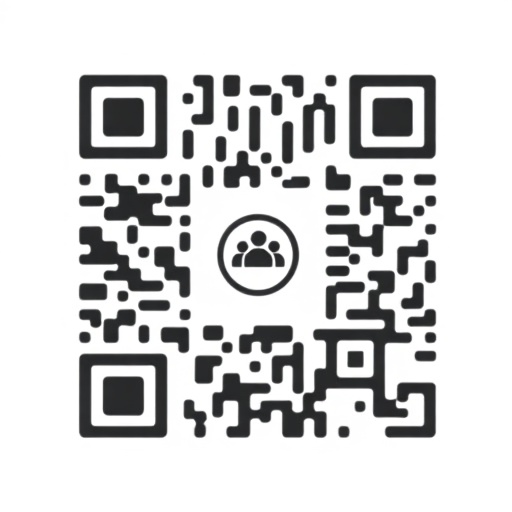
Quick Access to Resources
Scan this code to instantly access all guides on your mobile device.
Share with friends
Print on flyers, postcards, or signs
Community Events
Attend one of our upcoming workshops, panels, or support sessions. All events are free and open to parents, caregivers, and educators.

Digital Wellness Parent Workshop
Learn practical strategies for establishing healthy screen-time boundaries and recognizing warning signs early.
Teen Mental Health Panel Discussion
An open community conversation about supporting adolescent mental health in the age of social media.
Family Screen-Time Reset Session
Hands-on session to create a personalized family media plan that works for your household.
Join Our Community
Receive free parent resources, workshop updates, digital wellness tips, and family support information.
No spam, ever. Unsubscribe anytime. Your information is kept confidential.
Trusted Educational Resources
Our educational materials are informed by publicly available resources from respected health and family organizations.
We reference publicly available research and educational materials to help families make informed decisions. Always consult qualified professionals for personalized guidance.